
Flumazenil occupies a unique position in modern neuroscience, pharmacology, and toxicology research as a selective antagonist at the benzodiazepine binding site of the GABAAA receptor complex. In laboratory and preclinical environments, this compound serves as a powerful tool to dissect inhibitory neurotransmission, quantify benzodiazepine receptor occupancy, and explore the dynamics of sedation, anxiolysis, and seizure […]
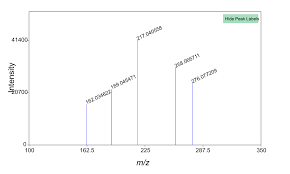
Content overview: flumazenil and USP standards This long-form article explains what the United States Pharmacopeia (USP) is, how USP standards are created, and why USP grade flumazenil is valuable in laboratory, preclinical, and receptor-level research. It focuses on flumazenil as a well-characterized benzodiazepine-site ligand used in GABA-A receptor pharmacology, not on its clinical use, and […]
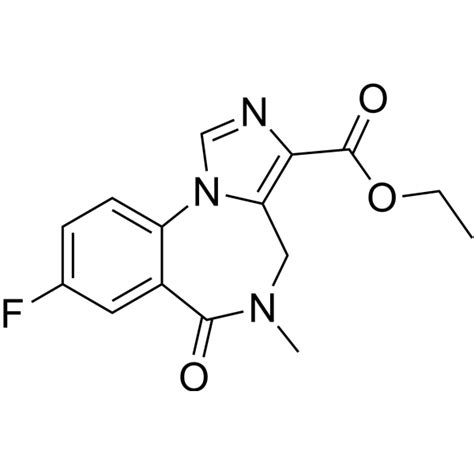
Flumazenil began as an unexpected finding in a Hoffmann-La Roche benzodiazepine program and grew into one of neuropharmacology’s most trusted research tools. This article traces its path from discovery to its present-day role in receptor mapping, PET imaging, and studies of GABA-A receptor plasticity.
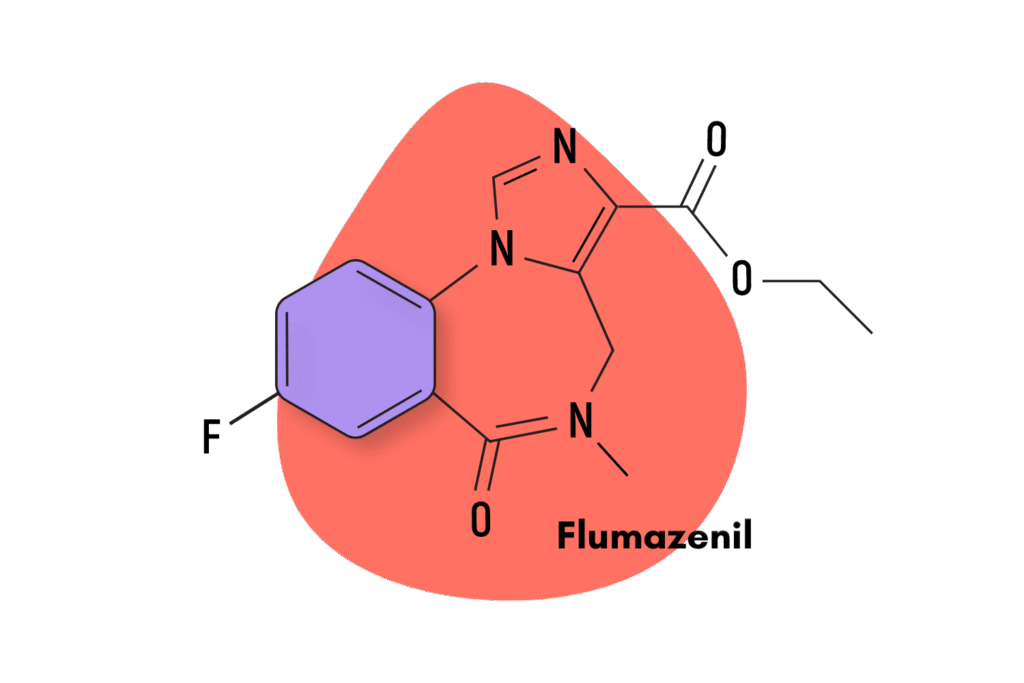
GABA-A receptors are far more adaptable than they might seem. This article walks through what preclinical research reveals about GABA dysregulation after prolonged benzodiazepine exposure: how receptors get trafficked, degraded, and reorganized at the synapse, and why these changes vary so much across brain regions and receptor subtypes.
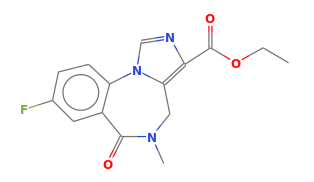
Flumazenil is best known clinically as a benzodiazepine antidote, but in the lab it’s something else entirely: a neutral, highly selective tool for probing how GABA-A receptors work. This article looks at how researchers use flumazenil across receptor binding assays, PET imaging, electrophysiology, and structural biology, along with the practical limitations that come with the territory.
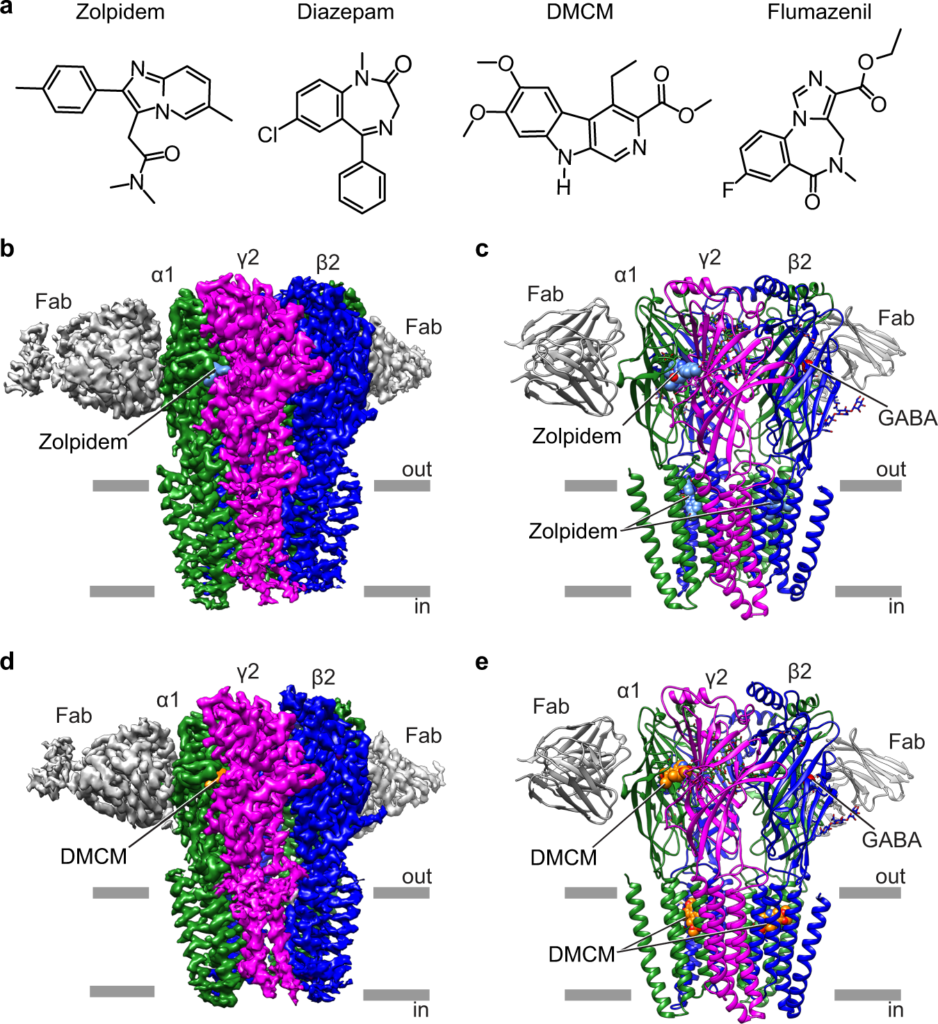
Flumazenil is a selective benzodiazepine-site ligand on GABA-A receptors, and research on its interactions with α1, α2, α3, and α5 subtypes has helped define how different receptor assemblies shape inhibitory signaling in the brain. This article explains how flumazenil binds to these subtypes, why they matter for preclinical neuropharmacology, and how subtype-selective insights guide modern […]
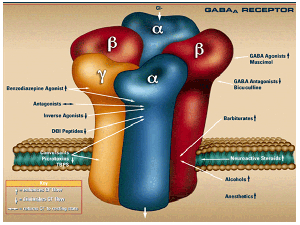
Comparing benzodiazepine antagonists starts with flumazenil, which is still the most widely used reference ligand at the benzodiazepine site of the GABA-A receptor. This article explores how flumazenil compares with experimental benzodiazepine antagonists in terms of binding, functional effects, and practical use in lab and preclinical research, while also highlighting important limitations and open questions. […]
Content overview Introduction What is flumazenil? Why reference standards matter Physicochemical properties relevant to standards Purity, stability, and certificate of analysis Flumazenil in chromatographic method development Use in LC–MS and metabolite identification Radiochemical applications and PET tracer quality control Handling, solubility, and storage considerations Regulatory and compendial context Summary FAQ References Introduction Flumazenil is widely […]