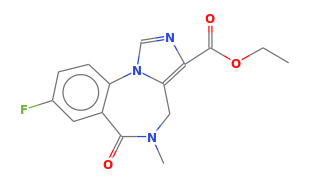
Flumazenil is best known clinically as a benzodiazepine antidote, but in the lab it’s something else entirely: a neutral, highly selective tool for probing how GABA-A receptors work. This article looks at how researchers use flumazenil across receptor binding assays, PET imaging, electrophysiology, and structural biology, along with the practical limitations that come with the territory.
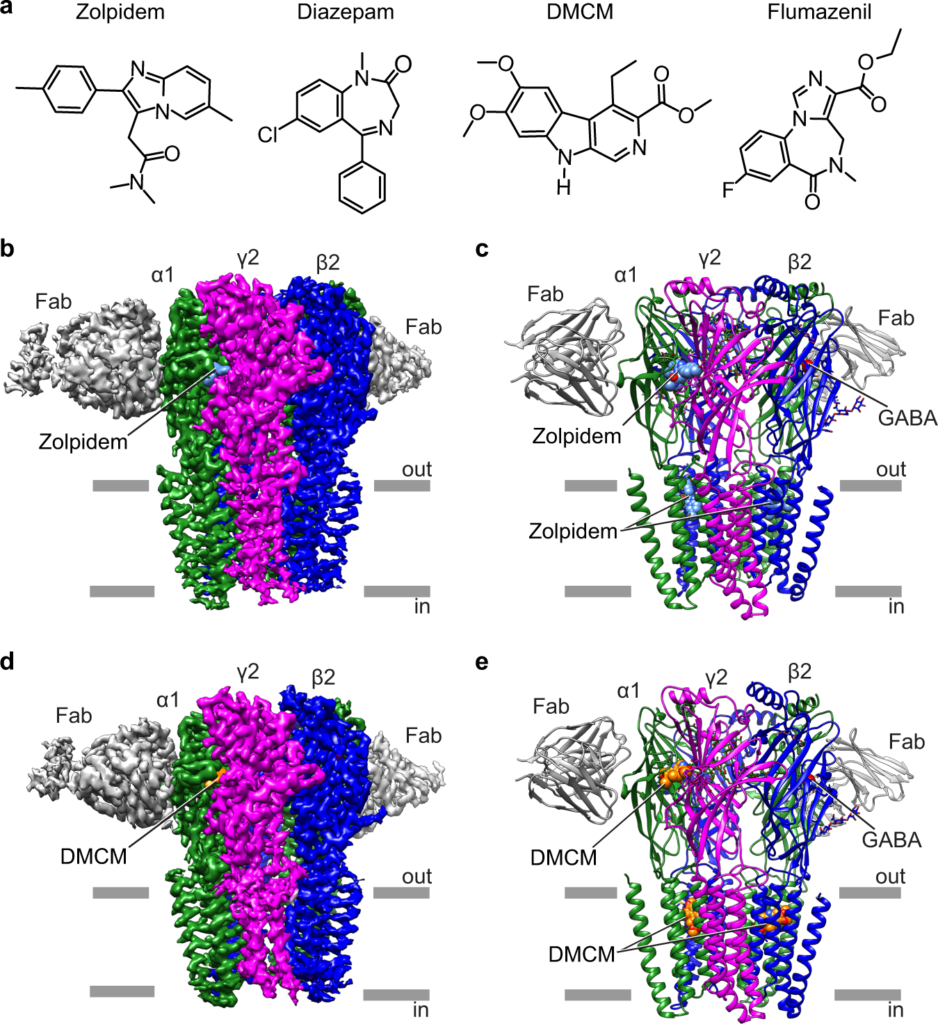
Flumazenil is a selective benzodiazepine-site ligand on GABA-A receptors, and research on its interactions with α1, α2, α3, and α5 subtypes has helped define how different receptor assemblies shape inhibitory signaling in the brain. This article explains how flumazenil binds to these subtypes, why they matter for preclinical neuropharmacology, and how subtype-selective insights guide modern […]
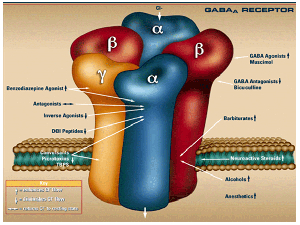
Comparing benzodiazepine antagonists starts with flumazenil, which is still the most widely used reference ligand at the benzodiazepine site of the GABA-A receptor. This article explores how flumazenil compares with experimental benzodiazepine antagonists in terms of binding, functional effects, and practical use in lab and preclinical research, while also highlighting important limitations and open questions. […]
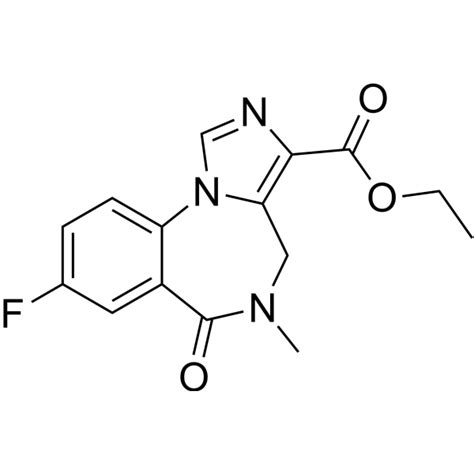
Content overview Introduction What is flumazenil? Why reference standards matter Physicochemical properties relevant to standards Purity, stability, and certificate of analysis Flumazenil in chromatographic method development Use in LC–MS and metabolite identification Radiochemical applications and PET tracer quality control Handling, solubility, and storage considerations Regulatory and compendial context Summary FAQ References Introduction Flumazenil is widely […]